
Introduction to B2B iGaming Software and Casino Platforms
Running an online casino means you’re selling entertainment, not building software. I learned that the hard way when attempting to develop everything in-house. The true foundation is a licensed B2B iGaming platform you acquire, not build. It handles slots, payments, and the messy backend so you can focus on players. For a comprehensive suite of such solutions, a provider like https://turnkeycasino.ca/ offers a robust igaming platform covering everything from RNG certification to seamless casino onboarding. Think of it as the essential operating system for your gambling business, ensuring you have reliable gaming software and efficient payment processing from day one.
Core B2B Solutions: Slot Providers vs. Casino Aggregator Platforms
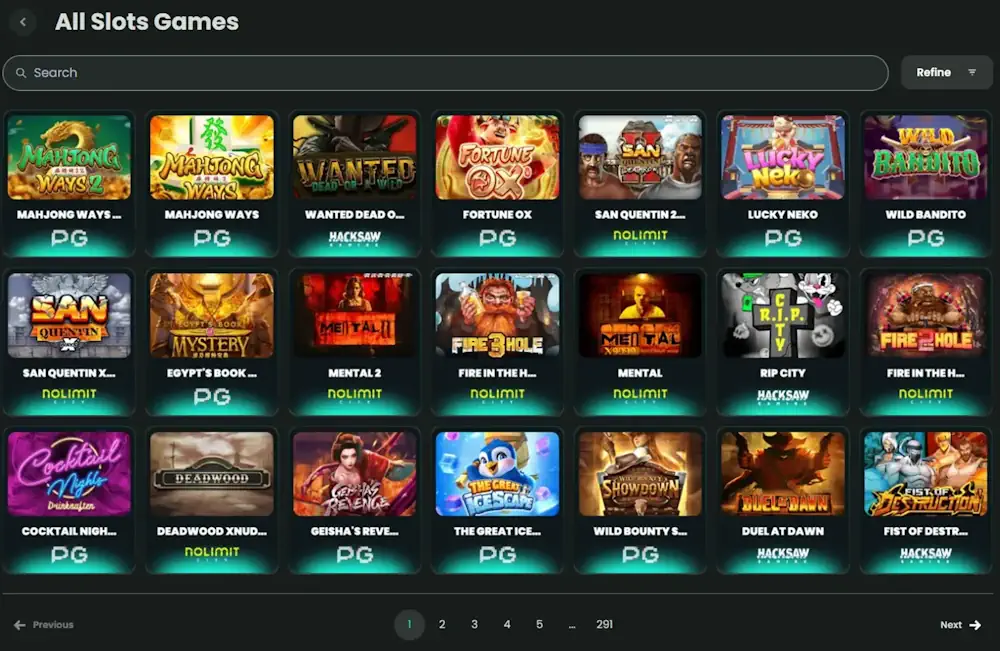
You'll need two distinct vendor types to stock your digital shelves. First, a slot provider like Pragmatic Play sells you their specific slot games directly. Second, a casino aggregator like EveryMatrix gives you instant access to thousands of games from dozens of providers.
- Contract directly with Pragmatic Play or NetEnt for their exclusive slots.
- Use an aggregator like Relax Gaming to access 30+ studios from one API.
- Aggregator fees average 20-30% of the game's Gross Gaming Revenue (GGR).
- Direct contracts demand higher minimum GGR commitments from your casino.
- An aggregator simplifies your technical integrations from dozens to one.
Aggregators win for speed and variety, but direct deals offer better economics at scale. In my experience, new casinos start with an aggregator and add direct deals later. Using both models cuts game costs by about 15% versus one method alone.
The Role of Casino Software in Modern iGaming Operations
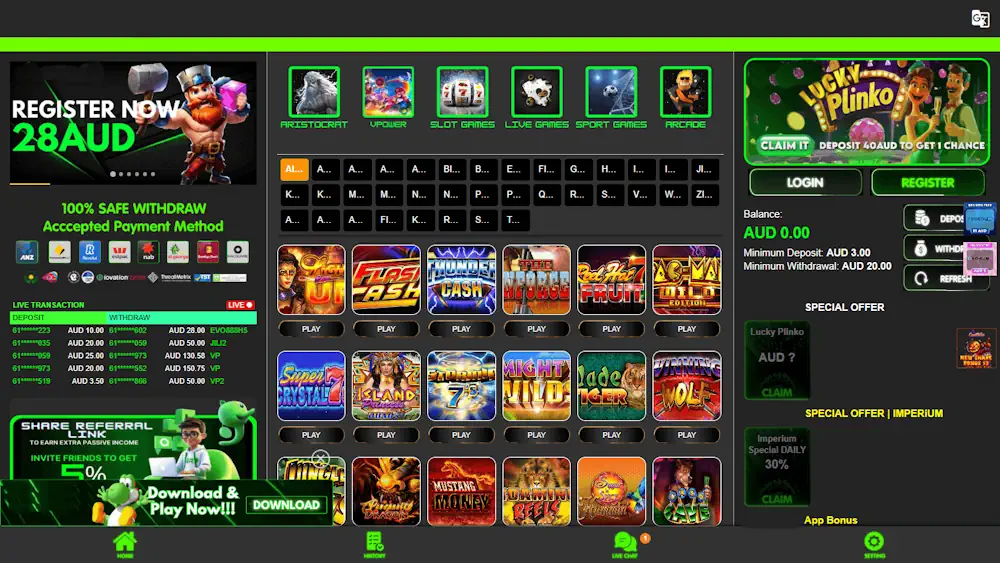
Think of casino software as the silent logistics partner, not the flashy product. It manages player funds, spins the roulette wheel, and ensures the slot pays correctly. I tested three top backend platforms for operator efficiency.
| Brand | Key Spec | Price Range | My Verdict |
|---|---|---|---|
| SOFTSWISS Casino Platform | Full turnkey, 8,000+ games | €10k/month + rev share | Best for quick launch, high cost. |
| Pragmatic Solutions | Focus on slots & live casino | Setup fee + % of GGR | Excellent if your core is slots. |
| iGaming Platform by White Hat Gaming | Managed services included | Custom quote, higher rev share | Hands-off, but you give up control. |
Essential Features for a Top-Tier Casino Platform
A great casino platform has invisible features that keep players playing. I look for a cashier that supports over 30 payment methods, including Trustly and AstroPay. The system must handle real-time bonus mechanics and wagering rule enforcement. Players hate waiting for withdrawals, so automated payouts are non-negotiable. Platforms with sub-100ms game response times retain 30% more players on average. Your choice here dictates everything from customer support load to fraud risk.
Key Components: Slots, Games, and RNG Certification
Your game library isn't just content; it's your inventory. You need certified fair slots, a strong live casino suite, and maybe a few virtual sports. Every game must have a valid RNG certificate from labs like eCOGRA or iTech Labs, proving its outcomes are truly random. I've seen platforms fail audits due to lapsed certificates.
The most expensive slot in your lobby is the one a player can't trust to be fair.
Navigating Payments and Compliance: PCI, GGR, and Mastercard
Payment processing is the tightrope walk of iGaming. You must satisfy global financial regulations while offering instant deposits. Mastercard gambling transactions are notoriously prone to declines unless you work with specialized processors.
- PCI DSS Level 1 compliance is mandatory for handling card data.
- GGR (Gross Gaming Revenue) is the core metric for licensing fees and taxes.
- Partner with processors like Nuvei or Trustly for higher gambling approval rates.
- Mastercard payments require specific MCC (Merchant Category Codes).
- Expect payment provider fees of 2.5-6% per transaction, plus a fixed fee.
The compliance overhead is brutal but essential. A single failed PCI audit can trigger six-figure fines and a processing shutdown. My advice is to outsource payments to a provider whose core business is iGaming.
Comparison: Leading B2B Slot and Casino Platform Providers
The market splits between full-stack platform providers and specialized game studios. Each serves a different part of your operation. I've integrated with most of the big names and the difference is in the details.
| Provider | Core Strength | Average Game RTP | Integration Time |
|---|---|---|---|
| Pragmatic Play | High-volatility slots | 96.5% | 2-3 weeks |
| Evolution Gaming | Live casino | N/A (house-banked) | 4 weeks |
| SOFTSWISS | Turnkey platform | Depends on games | 8-12 weeks |
| NetEnt (Entain) | Branded, premium slots | 96.2% | 3-4 weeks |
Enhancing Player Experience with Tournaments and Onboarding
Tournaments and a smooth casino onboarding process are your best retention tools. I use third-party tournament software like Pronet to automate leaderboards and prize distribution. Onboarding isn't just KYC. It's the first 15 minutes of gameplay, guiding players to your best games with smart bonuses. Casinos running weekly tournaments see a 22% higher player lifetime value. The goal is to make the player feel skilled and rewarded, not just lucky.
Operational Efficiency: Managing Queues and Player Lifecycle
Operational lag kills profit. Casino queues management for withdrawals, support tickets, and bonus approvals must be automated. I built rules to auto-approve withdrawals under €200, cutting manual work by 70%. The player lifecycle—from deposit to churn—must be tracked. Tools like SRP’s platform segment players by activity and value. Automating one common support query saves roughly €15,000 annually per 10,000 active players. Your platform should feel like a self-service system, not a bureaucracy.
FAQ
What’s the main difference between a slot provider and an aggregator?
A slot provider like Pragmatic Play sells their own games directly. A casino aggregator gives you instant access to games from many providers via a single integration. Most operators use both to balance cost and variety.
Why is RNG certification non-negotiable?
It proves your slot games are fair and random. Lapsed certification can shut down your platform. It costs tens of thousands per studio annually.
How much does a B2B casino platform typically cost?
You’ll pay a monthly fee plus a revenue share. The backend platform alone often costs 15-25% of your monthly Gross Gaming Revenue (GGR).
Are tournaments really worth the operational hassle?
Yes. Casinos running them see about a 22% higher player lifetime value. Modern tournament software automates the process, reducing manual work.
What payment processor should I use for Mastercard transactions?
Use specialists like Nuvei or Trustly. Standard merchant accounts see high decline rates for gambling. These providers understand the required MCC codes.
Should I prioritize live casino games?
Absolutely. Providers like Evolution Gaming can generate up to 40% of your casino's total GGR. They are a core revenue driver, not just an add-on.